Seasonal Rituals: Marking the Year's Turns in a Life That Blurs Together
Quick Answer: Seasonal rituals are small, repeatable, sensory markers — a first-fire night, a solstice dinner, a closet-swap ceremony — that give an adult year texture instead of letting it blur into undifferentiated routine. Two rituals per season, scheduled on the calendar and repeated for three years, is enough to turn a marker into a lasting tradition.
Adult years blur — the seasons sliding past as weather instead of chapters — and seasonal rituals are the fix: small, deliberate markers that give the year texture and the memory anchors it’s otherwise missing. Here’s the seasonal-ritual guide: why marking seasons matters, a menu to steal from, and how to make a ritual stick as a real tradition.
Why Does Marking the Seasons Actually Matter?
A few things are going on. Undifferentiated routine compresses how we remember time — years that “flew by” tend to be years without markers, while novelty and ritual stretch subjective time back out. There’s an anticipation dividend too: a scheduled seasonal ritual gives you something to look forward to, and anticipation is arguably half of happiness — a first-fire night or a strawberry-picking day installed on the calendar becomes joy you can count on in advance, not just joy that happens to you.
Rituals also ease seasonal transitions — autumn melancholy or winter dread met with ceremony instead of just drifting through it — and they make meaning out of ordinary acts, turning a plain walk into something significant through intention alone. The modern gap is real: traditional festival calendars have faded for a lot of adults, leaving holidays as pure logistics. A DIY seasonal calendar is the practical replacement.
What Are Some Rituals Worth Stealing for Each Season?
A starter menu, organized by season:
- Spring — a first-picnic day, a closet-swap ceremony, a windowsill planting ritual (seeds or herbs), and reframing the spring-clean weekend as a ceremony instead of a chore.
- Summer — a solstice evening dinner outside on the longest day, a first-swim marker, an annual berry-picking-and-freezing day, and a ritual around building that summer’s playlist.
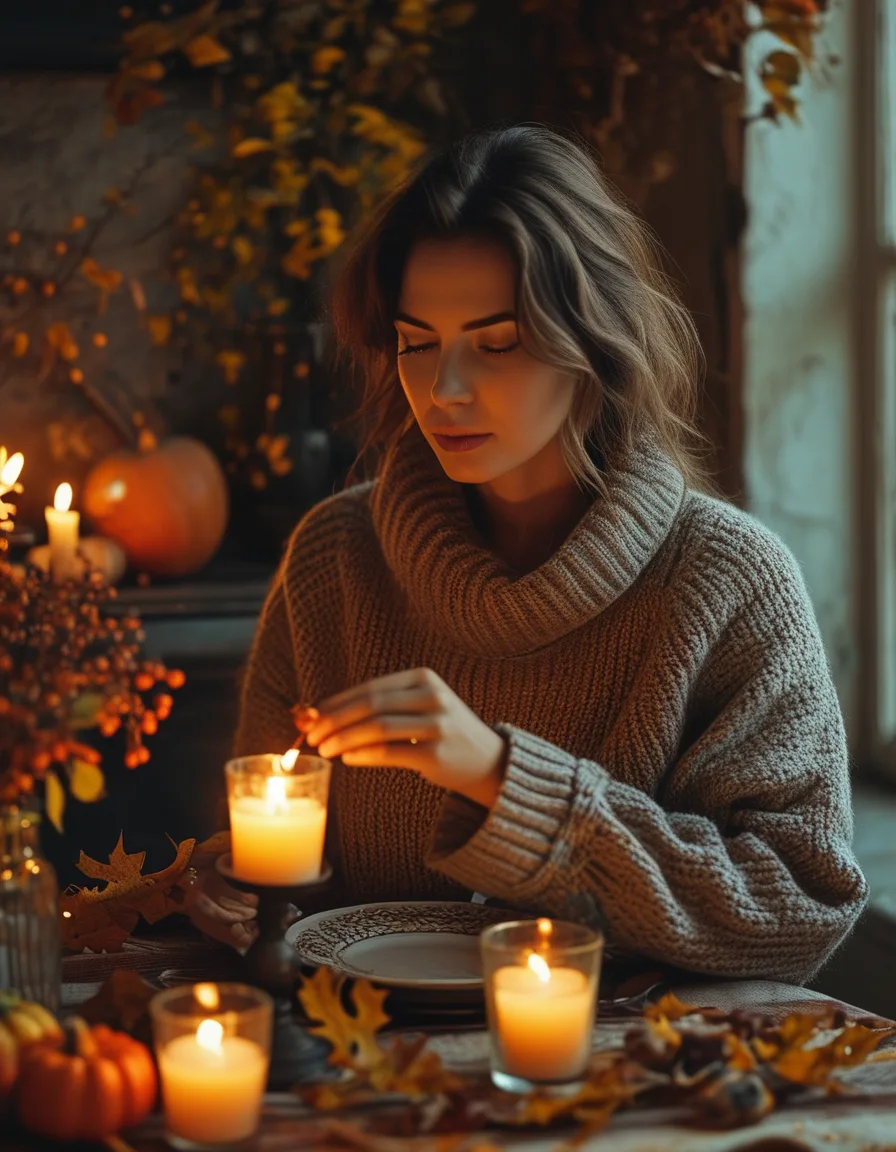
- Autumn — a first-fire-or-candle night, opening “soup season” with the first big pot, a fall-color walk booked like an actual appointment, and a cozy-swap ceremony as the house shifts toward the couch-and-blanket season.
- Winter — a solstice light ritual (candles and reflection), a year-review journaling session, a hibernation-embrace weekend, and a first-snow rule: the walk gets taken whatever else was planned that day.
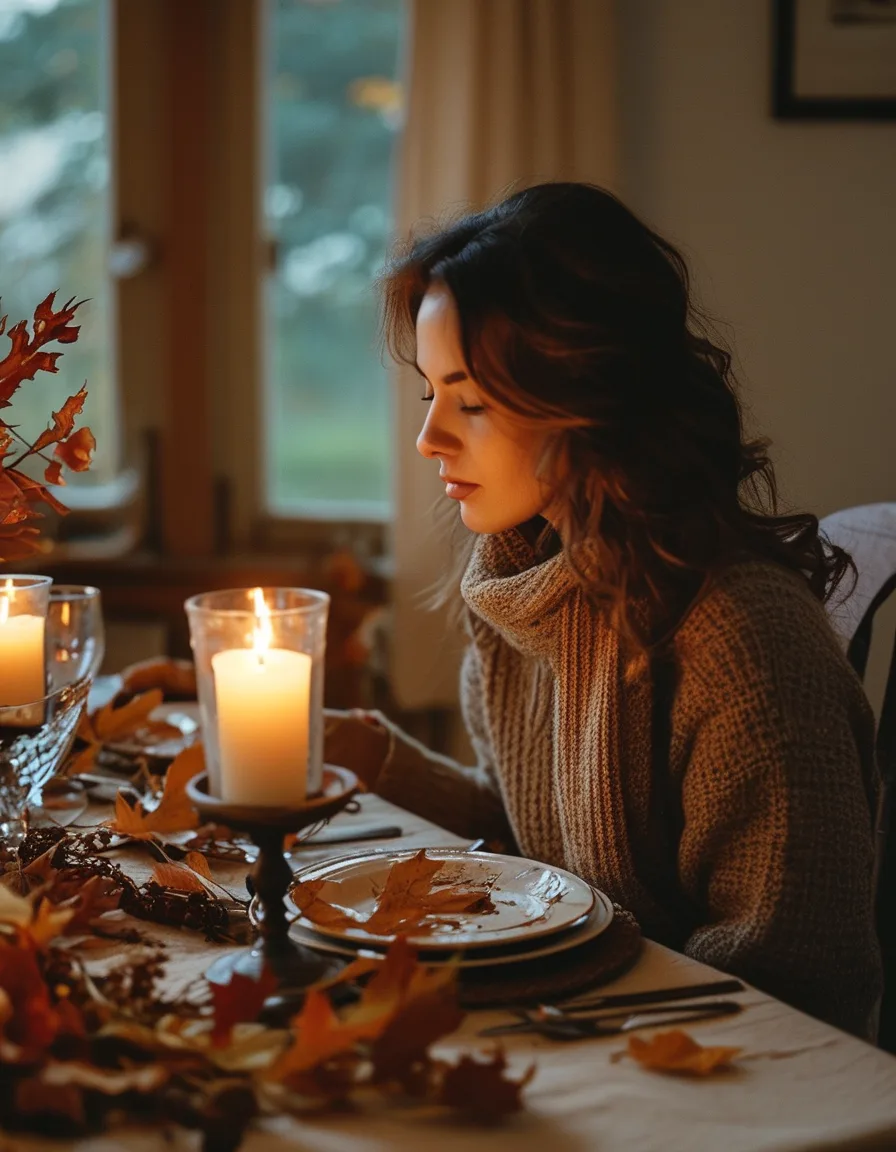
The design principle underneath all of these: rituals should be cheap, repeatable, and sensory — smell, taste, and light are what memory actually holds onto. Two per season is plenty; this is a menu to pick from, not a checklist to complete.
How Do I Make a Seasonal Ritual Actually Become a Tradition?
A handful of things separate a ritual that sticks from one that fades after year one:
- Put it on the calendar. Schedule solstices, first-of-months, and your own personal markers with reminders — intention alone rarely survives a busy week.
- Expect it to take three repetitions. The second year tends to feel deliberate; the third feels inevitable. That’s the tradition threshold, and it’s worth just waiting for.
- Keep it simple. A ritual that requires shopping and production dies young. The candle-and-walk version survives; save the elaborate version for a special anniversary, not the standard year.
- Negotiate it with your household. Family rituals stick better when kids help create them, and a partner’s own markers deserve equal billing.
- Trust that solo counts. A single-person ritual is fully real — a self-witnessed ceremony doesn’t need an audience to count.
- Let it bend. A ritual that gets moved, shrunk, or skipped in a hard year without dying is a healthier ritual than one that has to be perfect or nothing.
- Keep a record. A photo or journal entry — the same-spot autumn photo every year, for instance — turns into a genuine year-over-year archive.
What Nobody Tells You About Building a Seasonal Calendar
- The personal markers matter as much as the seasonal ones. Anniversaries, friendship traditions, an annual solo retreat — weaving these in alongside the seasonal set builds a fuller “necklace” of anticipated moments through the year.
- Wellness habits hide well inside seasonal rituals. A seasonal-produce turn or a first-outdoor-run-of-spring day disguises a health habit as a celebration, which makes it far easier to keep.
- Rituals double as relationship infrastructure. A standing seasonal dinner with friends is one of the more reliable ways to keep specific people in your year without it depending on spontaneous plans.
- Marked years get remembered richer. “That was the year we started the solstice dinners” becomes a genuine anchor — the blur gets textured, one small ceremony at a time.
Seasonal Rituals FAQ
How many seasonal rituals should I actually try to keep?
Two per season is the recommended floor, and for most people it’s also the ceiling worth aiming for — enough to add texture without turning into another set of obligations to manage.
How long does it take before a seasonal ritual feels like a real tradition?
Around three repetitions. The first year is an experiment, the second starts to feel deliberate, and the third tends to feel inevitable — that’s the point it’s earned “tradition” status.
Do seasonal rituals still count if I do them alone?
Yes — a solo, self-witnessed ritual is fully legitimate. The psychological benefits (anticipation, meaning-making, marking time) don’t require anyone else to be there.
Bottom Line
Unmarked years blur — install two cheap, sensory rituals per season (first-fire night, solstice dinner, berry-picking day, closet-swap ceremony) and calendar them like appointments. Repetition three makes a tradition; keep them simple enough to survive busy years.
TL;DR:
- Seasonal rituals stretch subjective time and give the year memory anchors it otherwise lacks
- Aim for two rituals per season, chosen from a menu of spring, summer, fall, and winter options
- Put them on the calendar — intention alone doesn’t survive a busy week
- A ritual becomes a tradition around its third repetition
- Keep it cheap and sensory; elaborate versions are for anniversaries, not the standard year
Keep Reading
This article is for general informational and styling purposes only. Fit, sizing, and product availability may vary.