The Monthly Reset Day: One Sunday That Reorganizes the Next Thirty
Quick Answer: A monthly reset day batches scattered life-admin — finances, calendar, one physical space, and a short intention review — into a single three-hour Sunday session. Do it once a month and the next thirty days get planned instead of just happening to you.
Months either get planned or they just occur — and the difference is about three deliberate hours. The monthly reset day batches the scattered life-admin into one Sunday session: finances glanced, calendar staged, spaces reset, intentions set. One afternoon; thirty days of downstream calm.

What Actually Goes Into a Monthly Admin Batch?
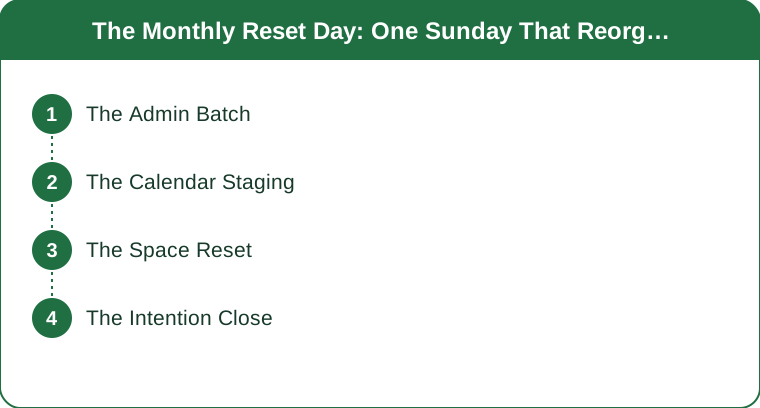
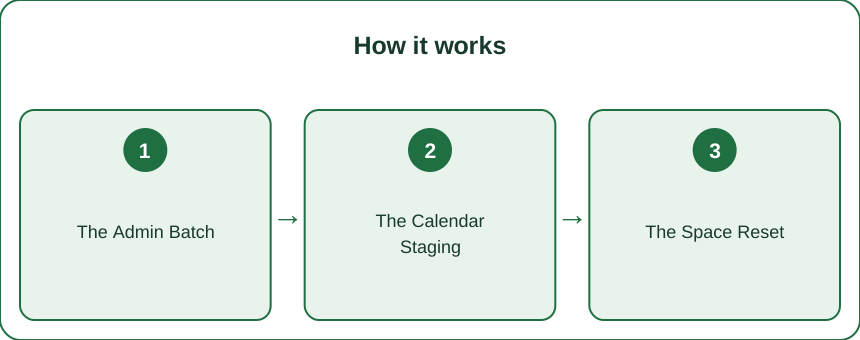
The scattered tasks get batched into one sitting: a finance glance (accounts reviewed, subscriptions audited — canceling something you forgot you were paying for is practically a monthly tradition at this point), appointments booked before they get deferred another cycle, and the errand list consolidated into one pass. Batching is the whole trick here — it converts twenty nagging, half-remembered items into one focused checklist hour instead of twenty separate moments of low-grade dread throughout the month.

Why Should I Stage Next Month’s Calendar Before It Starts?
Staging means walking through next month before it walks through you: commitments reviewed, overloaded weeks spotted early — while there’s still time to thin them out — and workout slots or friend dates placed on the calendar before the month fills in around them on its own. A calendar that’s staged in advance is essentially the month agreeing to your terms instead of the other way around.

Do I Need to Reset My Whole House Every Month?
No — just one zone. Pick a single reset target per month (the closet, the pantry, the digital desktop) and pair it with a few standard passes that take almost no time: a fridge audit, turning your bag out to remove what’s accumulated, and a quick donation-box trip. Spaces drift a little every month regardless of how organized you are; the reset day is simply the tide going back out before it can pile up further.
What Should the Last Fifteen Minutes of a Reset Day Look Like?
Save the final fifteen minutes for review, not more admin. Write one honest line on last month — what worked, what drained you, a mini energy audit — and name one focus for the month ahead. This isn’t a resolution; it’s closer to a heading. Months with a named heading tend to read very differently, in hindsight, than months that just happened without one.
5 Mistakes People Make With Monthly Resets
- Trying to do everything in one category, all at once. One reset zone per month is the point — trying to overhaul the whole house or every account in a single sitting is how the ritual dies within two months.
- Skipping the calendar-staging step. Finance and space resets feel productive, but staging next month is what actually prevents the overloaded weeks that made last month feel chaotic.
- Treating the intention line as a resolution. A heavy, resolution-style goal collapses fast. A one-line heading for the month is lighter and much more likely to survive contact with a busy week three.
- Doing it inconsistently. A reset day that happens some months and not others loses most of its compounding value — the calm comes from the rhythm, not any single session.
- Forgetting the review. Skipping the last fifteen minutes means you never actually learn what worked, so each month starts from zero instead of building on the last.
Monthly Reset Day FAQ
How long does a monthly reset day actually take?
About three hours for most people, split roughly between the admin batch, calendar staging, one space reset, and the closing review. It scales down easily to ninety minutes if your month was simpler.
What if I miss a month?
Just resume the next one — there’s no need to “catch up” on a skipped month’s admin retroactively. Pick up the current month’s finances and calendar and let the last one go.
Which part of the reset day matters most if I’m short on time?
Calendar staging. Spotting an overloaded week before it starts and placing your own commitments on the calendar first has the biggest downstream effect on how the next thirty days actually feel — even if you skip the space reset entirely that month.
Can I do a monthly reset with a partner or roommate?
Yes, and it often works better shared — splitting the finance glance, calendar staging, and space reset across two people cuts the time in half and surfaces commitments the other person forgot to mention.
Bottom Line
Batch the admin, stage the calendar, reset one zone, name the heading. Three hours, once a month — the difference between a month that happened and a month that was hosted.
TL;DR:
- Batch finances, appointments, and errands into one checklist hour instead of scattering them
- Stage next month’s calendar in advance so overloaded weeks get caught early
- Reset just one physical or digital space per month, plus a few quick standard passes
- Close with a one-line review and a single heading for the month ahead — not a resolution
- Consistency matters more than duration; the compounding comes from doing it every month
Keep Reading
This article is for general informational and styling purposes only. Fit, sizing, and product availability may vary.